A motor can require much more from an inverter while starting than it needs during steady operation. Selecting an inverter by running watts alone can therefore miss the difficult part of the duty. Yet buying the largest available unit is not a complete solution either. A useful comparison matches the load’s starting demand and duration to the inverter’s documented overload capability, then checks the battery and installation that must support the event.
Separate continuous power from short-duration capability
Continuous output describes an operating capability under stated conditions. A surge or peak figure describes a temporary capability, and the time associated with it is essential. Two products with the same advertised peak may behave differently if one can sustain that level only briefly while another has a different overload curve. A headline multiplier does not provide the complete comparison.
For example, the Victron Inverter RS Smart manual specifies a peak level with a duration and distinguishes continuous output conditions. This is an example of how to read a specification, not a rating that applies to Techfine equipment. For a Techfine proposal, request the matching model’s own power and overload information.
Describe the motor and the machine it drives
A pump, refrigerator compressor and workshop machine can present different starting conditions. Record the motor’s electrical supply requirements, running input, starting method and the driven process. A motor beginning under mechanical load may behave differently from one starting unloaded. The nameplate shaft-power rating alone is not a complete electrical input specification.
Also identify how often the equipment starts and whether several devices can restart together after an outage. A system that handles one isolated start may still struggle when multiple compressors or pumps return simultaneously. Include existing background demand in the assessment rather than testing the motor as though every other load will always be switched off.
Collect the measurements that answer the sizing question
| Information | Why it matters | Useful evidence |
|---|---|---|
| Running input power and current | Establishes sustained demand and background loading | Nameplate, manufacturer data and appropriate measurements |
| Starting current or apparent power | Defines the short-duration electrical demand | Motor documentation or qualified inrush measurement |
| Starting duration | Allows comparison with an overload time curve | Equipment information or recorded startup profile |
| Start frequency and simultaneous loads | Reveals repeated events and combined demand | Operating schedule and process review |
| Battery and DC supply conditions | Confirms the source can support the inverter | Battery/BMS limits and installation design |
A monitoring dashboard with slow updates may not capture a short inrush event. Ask a qualified person to select suitable measurement equipment and interpret the result. Avoid deriving a universal starting multiplier from one appliance; motor design, control electronics and the mechanical load all influence the actual requirement.
Compare demand and duration on the same basis
Consider an illustrative load that requires a short 4 kVA starting event for one second while 600 W of other equipment is already operating. It would be misleading to compare that event only with an inverter’s continuous kilowatt rating. The supplier needs to consider the combined electrical demand, its power factor and duration against the equipment’s documented capability.
This example is deliberately not an inverter recommendation. Watts and volt-amperes are related but are not always numerically interchangeable. A peak rating expressed in VA should not be compared casually with a motor’s shaft output in watts. Provide the underlying current, voltage and power information so the designer can use consistent quantities and assess the transient correctly.
Check the DC side before blaming the inverter
The inverter receives its energy from a source with its own limits. A battery may support the normal load yet have a BMS discharge limit or transient limit that prevents the motor from starting. Battery condition, temperature and state of charge can also affect performance. Increasing the inverter’s rating does not increase the battery’s permitted current.
The DC installation matters as well. Excessive voltage drop or an unsuitable connection can cause the inverter to see an inadequate supply during a demanding event. Cable and protection selection must follow the manufacturer’s instructions and the installation design. Do not bypass a protective device or change shutdown thresholds simply to make a difficult motor start.
Distinguish battery operation from grid support
A motor that starts successfully with mains power available has not necessarily demonstrated that it will start during an outage. Depending on the inverter architecture and operating mode, the available source and power path can change. Read the documentation for both the normal-input condition and battery operation, including any bypass or transfer limitations.
Commissioning should cover the intended service condition under an approved plan. If the customer expects a pump to operate during a grid failure, record that requirement in the quotation and acceptance criteria. Do not let a successful demonstration with utility power present stand in for verification of the backup arrangement.
Look for load-management alternatives before oversizing
Where the process allows it, separating automatic restart times or reducing discretionary background demand may make the duty easier to supply. Ask the equipment manufacturer whether an appropriate starting-control solution exists. A soft starter or variable-speed drive must be selected for the motor, process and inverter supply; it is not a universal plug-in remedy.
These options belong in an engineering review rather than a trial-and-error shopping list. Some appliances already contain electronic controls, while others have restrictions on supply characteristics. Document what changes are permitted, what must remain unchanged and who is responsible for confirming compatibility. Compare complete installed solutions rather than inverter price alone.
Read the Techfine model’s overload table
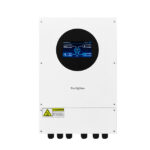
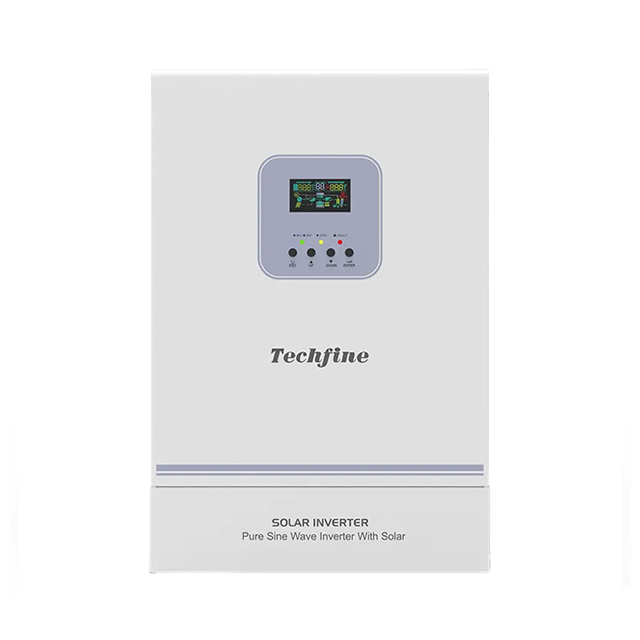
The Techfine GA Pro specification provides model columns and battery-mode overload information in addition to headline output figures. Use the exact model and its applicable documentation. A series phrase about peak power does not by itself establish that a particular compressor, pump or workshop motor will start successfully.
The GA Pro product page is a starting point for discussing the application. Send the supplier a load schedule containing starting measurements, simultaneous running demand, battery details and the intended ambient conditions. Request a written compatibility assessment or an agreed supervised verification plan for the proposed combination.
Define acceptance without repeated fault testing
Agree on the conditions that represent normal demanding use, including battery state, temperature and background loads. Record successful startup and stable running, along with any alarms or unexpected resets. A qualified commissioning team should decide how to demonstrate the requirement safely. Repeatedly forcing an overload shutdown is not a productive substitute for understanding the specifications.
Keep the accepted motor and inverter model codes with the record. A later change to a compressor, pump impeller, battery or control setting can alter the duty. When equipment is replaced, revisit the original assumptions rather than treating the previous successful installation as approval for every similarly rated replacement.
Frequently asked questions
Is a peak rating of twice continuous power enough?
Not by itself. Check the permitted duration, measurement basis, background load, motor starting profile and source capability. The multiplier alone leaves several important questions unanswered.
Will a bigger inverter always cure startup failures?
No. The limiting factor may be the battery, BMS, DC installation, control arrangement or the load itself. Identify the constraint before changing equipment.
Can I estimate starting current from running current?
An estimate may support an early discussion, but a final selection should use reliable motor data or appropriate measurements. Avoid applying one generic factor to all appliances.