An inverter shutdown is a symptom, not a diagnosis. When an installation appears to trip on overload, start with the exact event record and the load sequence. Similar-looking interruptions can involve sustained demand, startup current, battery limits, temperature or a separate fault. A structured review gives the installer useful evidence and avoids replacing equipment before the actual constraint is understood.
Preserve the original event information
Record the time, displayed message or code and the operating mode as soon as practical. Note whether mains power was available and which devices were running or starting. If monitoring retains an event log, preserve the relevant interval. A description such as “it went off again” leaves several important questions unanswered.
Use the code definitions for the exact model. Fault numbers are not universal across brands or series. Victron’s Inverter RS Smart troubleshooting manual illustrates separate categories for overload, temperature, battery and communication conditions. Do not apply its numeric codes to Techfine equipment; obtain the matching Techfine explanation.
Build a short timeline around the interruption
Identify what happened immediately before the event, not only what was connected afterward. A compressor may have started, a heater may have been switched on, or several appliances may have recovered together after an outage. An automatic device can be easy to overlook because no one deliberately touched a switch.
Include any recent change to appliances, battery equipment, settings or maintenance. A problem that started after a specific change provides a different investigation path from a long-standing intermittent issue. Keep observed facts separate from suspected explanations so the support team can assess the evidence independently.
Distinguish sustained overload from a starting event
If the load exceeds the inverter’s available continuous capability for long enough, a protective response may be expected. If the event occurs when a motor or electronic load starts, short-duration demand may be the relevant issue. The exact overload behavior and permitted duration must come from the selected model documentation.
Use reliable measurements or equipment data where needed. A slowly updating display can miss a brief peak. Conversely, a high instantaneous reading does not describe the duration of a sustained condition. Qualified personnel should choose suitable measurement methods rather than relying on a single screenshot to size replacement equipment.
Reconcile the load list with actual use
Compare the original design schedule with the devices now supplied. Look for added convenience appliances, shared socket circuits and equipment that runs on an automatic timer. The installed load can grow gradually without anyone recognizing that the inverter’s duty has changed.
Record measured input rather than confusing appliance output with electrical consumption. A motor’s shaft rating or a microwave’s cooking output is not necessarily its electrical input. Also consider apparent power and power factor where relevant. The support question should be based on the quantities the inverter specification actually limits.
Check whether the battery side is constraining the event
A low-voltage or BMS-related shutdown can occur during demanding load operation without being a simple AC overload. Review the battery status and permitted discharge capability at the time. Temperature and state of charge can matter. A battery nominal-voltage match alone does not establish that it can support the observed demand.
Inspection of DC cables, connections and protection belongs with qualified personnel following the manufacturer’s procedure. Do not bridge a fuse, disable the BMS or repeatedly lower protective thresholds to keep the installation running. Such changes can conceal the condition that the protection is intended to address.
Review thermal and source conditions
An inverter’s available capability may depend on temperature and operating mode. Record room conditions and whether cooling paths are obstructed. If the same load worked previously, determine whether the present environment or source arrangement differs before concluding that the power stage has failed.
A load operating successfully while utility power is present may behave differently on battery supply. Identify the actual power path and the relevant ratings. The event report should state whether the interruption occurred in normal AC operation, during transfer or during sustained backup operation.
Organize evidence for support
| Evidence | Useful detail | Question it helps answer |
|---|---|---|
| Alarm record | Exact message, code, time and sequence | Which protection or fault category was reported? |
| Load timeline | Running devices and recent starts | Was demand sustained or transient? |
| Battery status | Available limits and relevant messages | Could the DC source support the event? |
| Site conditions | Temperature, mode and recent changes | Did the operating basis change? |
| Equipment identity | Model and firmware versions | Which manual and limits apply? |
This evidence package is useful even when no one can reproduce the fault immediately. It reduces the temptation to make several changes at once, which can obscure the cause. Give the supplier a clear account of what is known and what remains uncertain.
Use a controlled resolution plan
The installer and supplier should agree on the next review or approved test. Depending on the evidence, the action may concern load scheduling, equipment compatibility, battery capability, cooling or service inspection. Do not assume the first action must be buying a larger inverter.
Record each approved change and its result. If the system becomes stable after a change, retain the conditions under which it was verified. An unexplained reset followed by a short successful run is weaker evidence than a documented review addressing the original event.
Find the applicable Techfine documentation
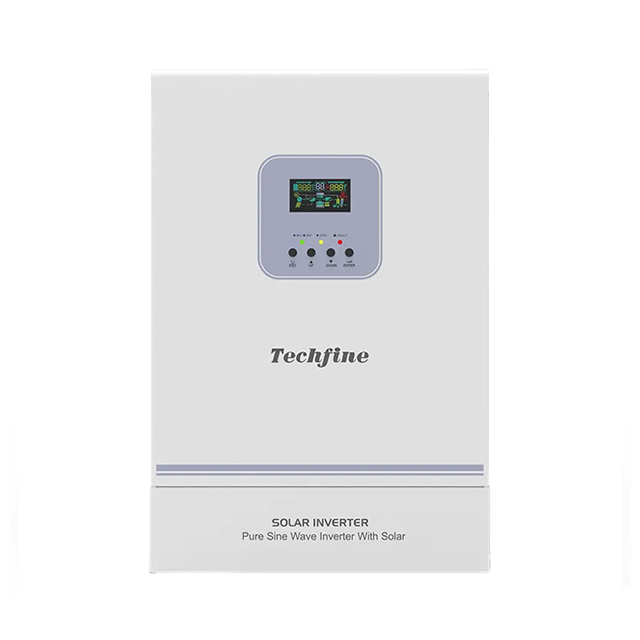
The Techfine download center provides a starting point for model manuals. The GA Pro series page can identify the platform in a support enquiry, but the exact model and code definitions are needed for diagnosis. Send the event package through the supplier’s normal support route.
After resolution, update the load schedule and user instructions if the accepted duty has changed. Explain any operational limit in practical terms, such as which appliances should not run together, rather than leaving users with an unexplained technical warning.
Frequently asked questions
Should I repeatedly restart after an overload message?
Follow the exact model’s recovery instructions and investigate the cause. Repeated protective trips are not a substitute for a controlled diagnosis.
Does a trip always mean the inverter is undersized?
No. The reported category, load event, battery source and environmental conditions all need review before selecting a remedy.
Can monitoring data replace an inspection?
It can provide valuable evidence, but some causes require qualified site inspection or suitable measurements. Use the supplier’s supported diagnostic process.