An all-in-one energy storage system can reduce the number of separately selected components, while a separate inverter and battery arrangement can offer different configuration and service choices. Neither approach is automatically the better installation. Compare the actual included equipment, supported functions, expansion rules and service responsibilities against the same application requirement.
Define the boundary of all-in-one
Ask which functions and components the quotation actually includes. The term can describe an integrated cabinet, a coordinated modular system or a packaged combination. Confirm the inverter, battery, controls, monitoring and required accessories rather than assuming everything needed for installation is inside one enclosure.
The site still needs an approved electrical design and appropriate installation components. An integrated product does not eliminate distribution, protection, isolation, mounting or other project requirements. Keep the equipment package and installation scope distinct in the comparison.
Use the same service requirement for both proposals
Provide identical load demand, runtime, solar input, supply and backup requirements to each supplier. Otherwise, two architectures can appear different in value simply because their proposals promise different services. Record the required operating modes and what must happen during an outage.
Separate power from storage energy in both quotations. A larger battery does not automatically raise the integrated inverter’s output rating, and a larger separate inverter does not create additional battery energy. Each proposed combination must meet both requirements.
Compare integration responsibility
A coordinated package can reduce uncertainty about which components are intended to work together, provided the exact configuration is documented. Ask who verifies settings, communications and the final supplied version. Do not assume that the package label replaces commissioning.
With separate equipment, compatibility needs an explicit owner. Identify who confirms the battery/inverter combination and supports the system if a control issue occurs. Two individually suitable products do not necessarily form an approved managed system.
Review energy and power expansion separately
A modular integrated system may allow specified additional battery modules without changing inverter power. A separate arrangement may also offer supported expansion, subject to its own limits. Obtain the exact permitted configurations and distinguish additional kWh from additional kW.
Ask what happens if future requirements exceed the original platform. The answer may involve replacing a component, adding approved equipment or choosing a different architecture initially. A generic statement that the system is expandable is incomplete without those boundaries.
Assess maintenance and replacement scope
Determine which parts can be serviced or replaced independently and what work requires the installation to stop. A single cabinet is not automatically simpler to repair, and separate cabinets do not automatically provide uninterrupted service. Use the supported procedures and actual site access.
Ask which replacement parts or modules remain compatible with the installed version and how that is confirmed later. Include any recommissioning required after replacement. Serviceability should be a documented system characteristic rather than an assumption based on cabinet count.
Compare physical layout and handling
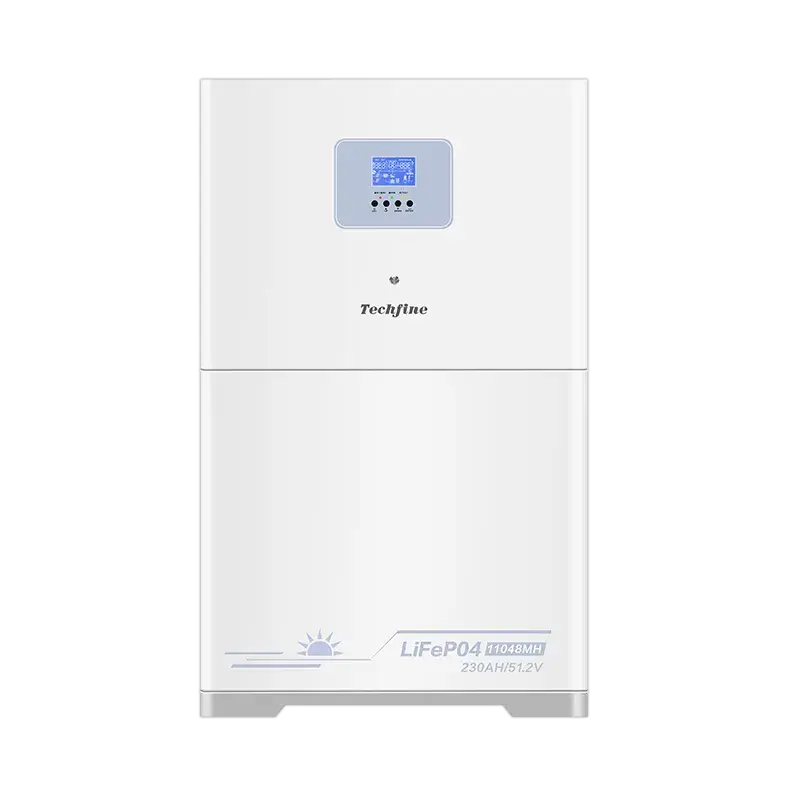
An integrated arrangement can present a compact layout, but its dimensions, mass, clearances and handling method still need review. A stacked product needs its exact permitted assembly and support arrangement. Do not infer that every module combination is acceptable from a photograph.
Separate equipment can allow different positioning, but the electrical and communication routes must remain within the approved design. Additional flexibility can create additional installation work. Compare the completed layout and access, not just the total front-panel area.
Make the controls and monitoring scope explicit
Ask which values, alarms and operating settings are available to the owner and service team. A combined display can be convenient, but it may not expose every subsystem independently. A separate monitoring arrangement can also require extra hardware or software.
Confirm account ownership, supported access and handover responsibilities. Monitoring access is not proof that control integration is complete, and a communication icon is not the same as verifying the required power and energy behavior.
Use an architecture comparison worksheet
| Decision | Integrated proposal | Separate proposal |
|---|---|---|
| Included scope | Exact coordinated modules and accessories | Exact inverter, battery and integration components |
| Compatibility | Approved packaged configuration | Approved model combination and responsible integrator |
| Expansion | Supported energy and power options | Supported component and bank changes |
| Service | Replacement boundaries and required downtime | Component replacement and recommissioning scope |
| Installation | Layout, handling and site requirements | Layout, routing and site requirements |
Use the worksheet to identify unanswered questions rather than score one architecture as universally superior. A small straightforward backup application and a project with a defined future expansion can justify different decisions.
Compare costs on a complete basis
Include all required components, installation work, commissioning and planned service scope. A lower cabinet price can omit storage, accessories or integration work. Conversely, a package can include features that the application does not need.
Keep lifecycle assumptions visible. If a supplier estimates future replacement cost or energy savings, ask for the basis and distinguish that estimate from a commitment. Avoid assigning a universal efficiency or reliability advantage solely from the integrated or separate label.
Confirm the Techfine LA configuration
The Techfine LA series is presented as an all-in-one energy storage platform. Review the exact power version, battery arrangement and optional functions for the proposed supply. A family heading does not establish every grid, backup or expansion feature as standard.
Use the LA product page as the integrated reference, and compare it with the specific separate inverter and battery proposal. Send the same duty and site information to both reviews so the result describes a like-for-like service.
Agree on acceptance before purchase
Define the operating functions, load service and documentation to be demonstrated at commissioning. Qualified personnel should verify the approved arrangement through the manufacturer’s procedures. An integrated delivery should meet the same service evidence standard as a separately assembled system.
Preserve the final equipment register, settings, diagrams and support responsibilities. That documentation becomes particularly useful if a future change affects only one subsystem or the original supplier’s personnel change.
Frequently asked questions
Does all-in-one mean no installation components are needed?
No. Confirm the complete package and the separate site installation scope.
Can additional battery modules increase inverter power?
Do not assume so. Storage energy and conversion power have separate supported limits.
Are separate components always easier to replace?
Serviceability depends on the actual products, access, compatibility and approved procedure.