An amp-hour number describes charge capacity, while a kilowatt-hour number describes energy. Comparing solar batteries using amp-hours alone can therefore hide a large difference in the energy being offered. Put every quotation on a stated voltage and energy basis first, then separate nominal battery energy from usable energy and energy delivered to AC loads. That makes a storage comparison both clearer and easier to verify.
Keep charge, energy and power in separate columns
Amp-hours, written Ah, are a measure of electric charge. Multiplying a nominal battery voltage by its amp-hour rating gives a simplified nominal energy value in watt-hours. Dividing by 1,000 converts watt-hours to kilowatt-hours. The voltage is essential: an Ah number without its voltage basis cannot describe a comparable energy quantity.
Kilowatts describe power, which is the rate at which energy is delivered or accepted. They are not another way to write kilowatt-hours. The Australian Government battery explanation distinguishes stored energy from output power. In a purchase worksheet, retain both rather than allowing the word capacity to represent several different things.
Convert nominal energy using the correct voltage
For a simplified nominal calculation, energy in Wh equals nominal volts multiplied by Ah. A 12.8 V, 100 Ah battery corresponds to 1,280 Wh, or 1.28 kWh. A 51.2 V, 100 Ah battery corresponds to 5,120 Wh, or 5.12 kWh. The Ah labels match, but the nominal energy values do not.
| Illustrative battery label | Nominal calculation | Nominal energy |
|---|---|---|
| 12.8 V, 100 Ah | 12.8 × 100 | 1.28 kWh |
| 25.6 V, 100 Ah | 25.6 × 100 | 2.56 kWh |
| 51.2 V, 100 Ah | 51.2 × 100 | 5.12 kWh |
| 25.6 V, 200 Ah | 25.6 × 200 | 5.12 kWh |
These calculations explain the units; they do not make the batteries electrically interchangeable. Two products with equal nominal kWh can require different inverters, chargers and installation arrangements. Establish the compatible platform separately from the energy comparison.
Use nominal voltage rather than a convenient rounded label
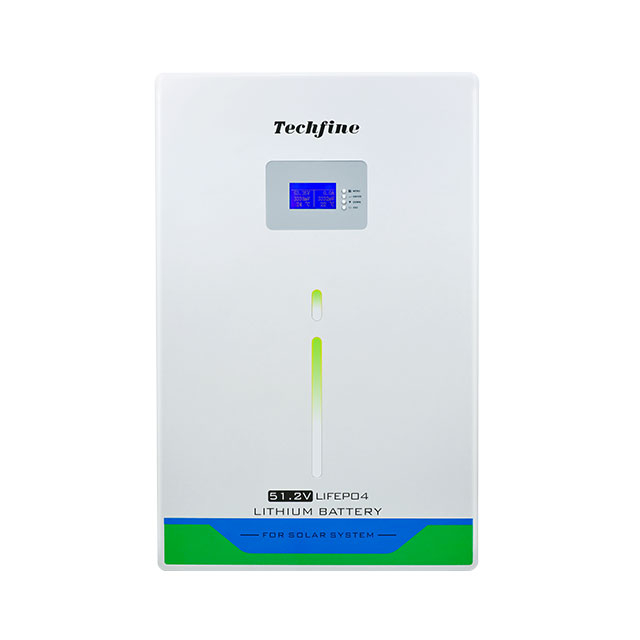
A product discussed as a 48 V system can have a documented nominal pack voltage such as 51.2 V. Use the manufacturer’s stated energy and voltage basis when interpreting its rating. Do not mix a rounded system description with an exact Ah figure and then treat the resulting discrepancy as missing capacity.
Likewise, a momentary measured terminal voltage is not automatically the correct multiplier for the nominal rating. Voltage changes during operation. The simple multiplication is a nominal comparison method; detailed delivered-energy assessment needs the manufacturer’s stated conditions and the actual operating profile.
Distinguish nominal and usable energy
Nominal energy is not a promise that all of it will be available to the application. The permitted operating window, protection limits and system policy can restrict how much energy is used. Ask whether a quoted kWh value is nominal storage, specified usable DC energy or another defined quantity.
For illustration only, applying a 90% operating window to 5.12 kWh gives 4.608 kWh before other losses or consumption are considered. That percentage is not a Techfine recommendation or a verified usable-energy specification. Use the selected battery’s documented conditions and the project’s reserve requirement.
Keep AC-delivered energy distinct again
An inverter and the surrounding system consume some energy while serving loads. If a quotation discusses AC-delivered energy, identify the measurement boundary and conditions. Do not compare an AC figure from one proposal directly with nominal DC energy from another without explaining the difference.
As an arithmetic example, 4 kWh entering a hypothetical conversion stage at an assumed 95% efficiency would yield 3.8 kWh from that stage. Actual performance depends on the equipment and load profile, and other consumption may remain outside that boundary. The example shows why each energy label needs a definition rather than supplying a universal loss allowance.
Check the conditions behind the Ah rating
Ask for the rating’s discharge conditions, temperature basis and relevant cutoff information. A battery specification should be read with those conditions, especially when comparing different product technologies or duty profiles. Similar printed Ah values do not guarantee identical energy delivery under every discharge rate.
Keep the original datasheet with the comparison. If the seller gives a simplified sales number, request the matching technical definition. A short marketing title cannot establish the full capacity basis, and an unexplained difference should be resolved before choosing a product.
Normalize quotation prices carefully
Price per nominal kWh can be a useful first comparison when the included equipment and rating basis are consistent. It is not a complete value measure. A proposal can include different management hardware, accessories, installation scope or service support, and usable-energy definitions can differ.
Create separate columns for nominal kWh, defined usable energy, permitted power, included equipment and total quoted scope. If a useful figure is unavailable, mark it as unconfirmed. Do not manufacture a precise price per usable kWh from an assumed depth-of-discharge percentage.
Translate the application’s demand into energy
List the loads and how long they need to operate. A constant illustrative 500 W load for six hours requires 3 kWh at the load. That is an application-energy requirement before the full system assessment; it is not a direct battery recommendation. Changing either the load or duration changes the energy need.
Compare the requirement with the appropriate delivered-energy basis and reserve, then verify power capability separately. A battery may contain sufficient nominal energy but still be unable to supply the required instantaneous demand. Keep that limitation visible instead of treating kWh as the only selection criterion.
Read Techfine battery versions consistently
The Techfine LB series includes different nominal voltage and Ah versions. Use the exact model column and request the current energy definition for the quoted version. The LB product page provides a product reference for the discussion.
Send the required load-energy schedule, compatible inverter platform and reserve objective with the enquiry. Ask the supplier to identify nominal energy, usable-energy conditions and power limits separately. This produces a traceable comparison instead of a decision based only on the largest Ah number.
Frequently asked questions
Are two 100 Ah batteries equal in energy?
Not unless their voltage and rating basis support that comparison. Include voltage and relevant conditions.
Does 5 kWh mean the battery can deliver 5 kW?
No. Energy and power are different requirements. Confirm the permitted discharge capability independently.
Can I compare usable capacity without its definition?
No. Establish the operating window, measurement boundary and stated conditions before comparing proposals.